Minecraft Dungeons II Beginner Guide: First Hours, Gear and Early Builds
A spoiler-light beginner guide: first steps, how the five gear slots work, early build ideas, co-op etiquette and what to do first in the connected world.
FAQ
What should I do first in Minecraft Dungeons II?
Is there a class system?
Can I play the beginning solo?
Before you press start
Three things worth knowing before your first session, all confirmed by official material:
- There are no classes. Your hero is what they wear and wield. Keep this in mind from the first item drop — the gear system is the whole game.
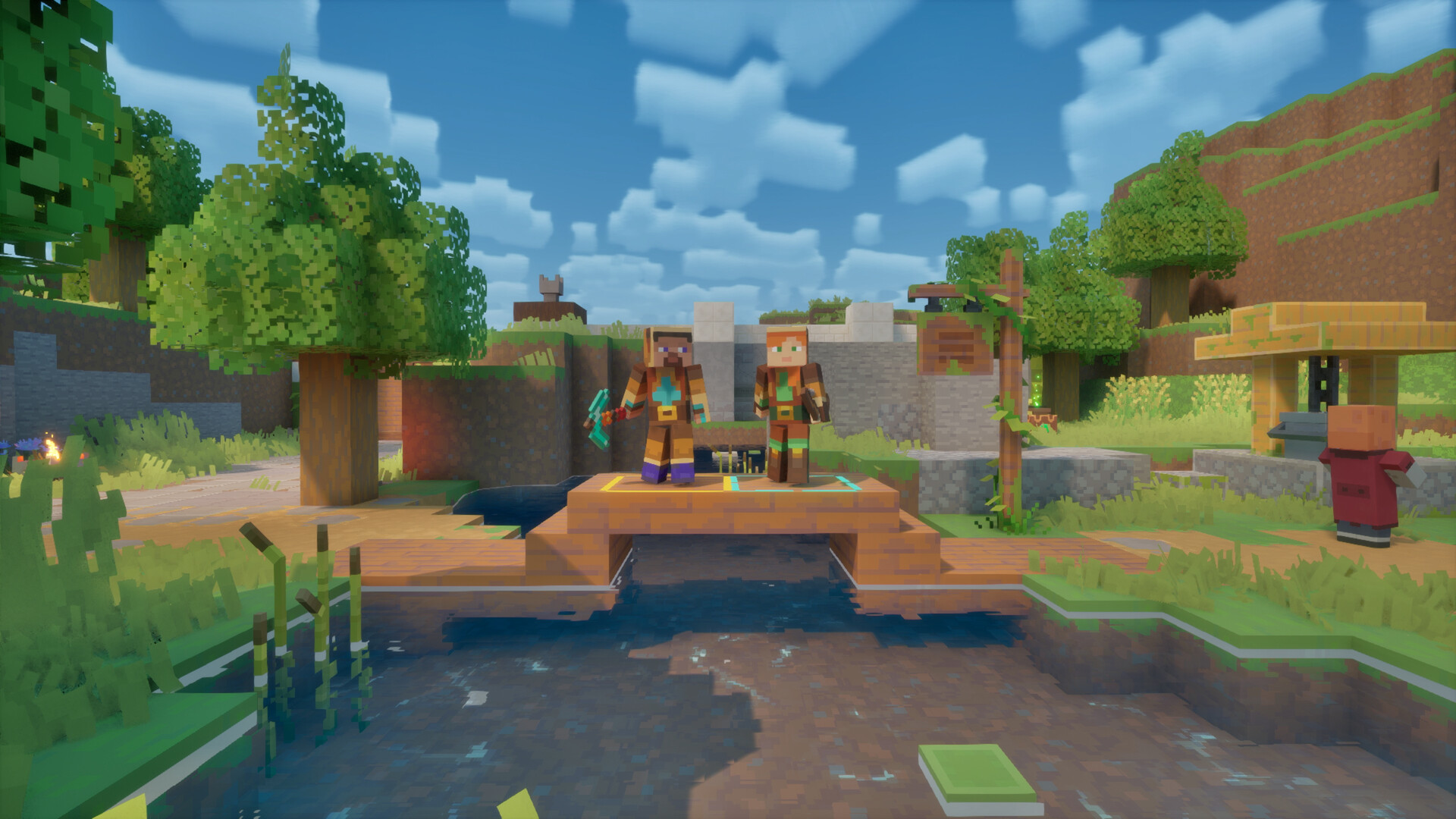
- The world is connected. Instead of picking missions from a list, you travel a contiguous Overworld map with dungeons inside it. Wandering is encouraged.
- You can jump now. The original had no jump button; the sequel does, and chases and loot runs feel very different because of it.
Your first hour: a checklist
- Follow the main path out of the opening area, but poke into every side pocket of the map. The connected world hides loot in the kind of corners the old mission select never had.
- Equip before you evaluate. Open your inventory and look at the five slot types: melee weapon, ranged weapon, three artifact slots (active abilities), four armor slots (new in this game) and three talisman slots (passive effects). A “worse” weapon with a useful enchant can beat a higher-number one.
- Try every artifact you find. Artifacts are your active skills — bursts of damage, movement, summons. One early favorite pattern: a summon artifact draws enemy attention while you pick off threats from range.
- Read talismans twice. Talismans are passive and stack quietly. The official example is a bone that summons a dog companion which draws aggro and respawns on a timer — passive effects like that shape a run more than raw weapon damage.
- Die curious. Loot respawns with runs; exploration knowledge does not. Learning where a cave, camp or village sits on the map is permanent progress.
Early build ideas (gear, not classes)
Because builds come from gear, think in roles instead of classes:
- Frontline pack — a heavy melee weapon, armor slotted for toughness, and the bone talisman’s dog companion holding attention while you swing.
- Ranged trapper — bow or crossbow, artifacts that slow or group enemies, and enchants that punish clustered mobs.
- Support in co-op — healing or buff artifacts plus enchants that create “regen spots” on kills, a confirmed enchant effect that rewards aggressive play for the whole party.
None of these require specific “class picks” — they are just ways of combining the slots. For slot-by-slot detail, see the gear and build system guide.
Watch the blue glow
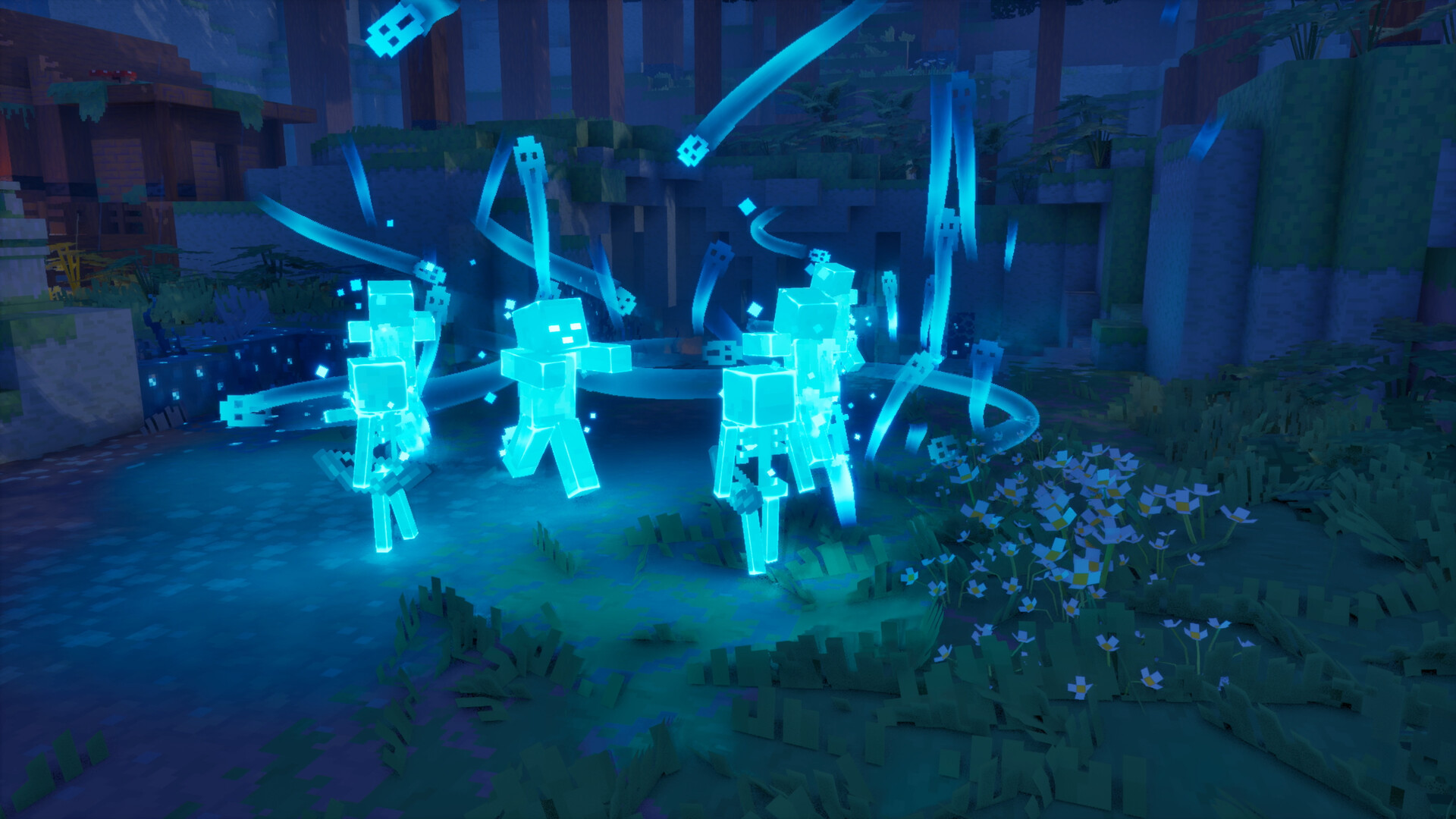
The game’s signature new threat is a blue-charged enemy type. Official material describes full parties needing to combine their power to take these foes down. In practice:
- Do not burn all your artifacts the moment you meet one.
- Move the fight to open ground; the connected world gives you room to circle.
- In solo play, expect these fights to be the wall that teaches you kiting.
The glowing blue spectral mobs that appear at night are part of the same story thread that leads to The Sift — when the world around you turns blue, you are near the game’s central mystery.
Co-op from the start
Co-op supports up to four players in couch, online or mixed play with crossplay, and it is drop-in friendly. Two etiquette rules make early co-op better for everyone: share artifact drops you do not need, and save blue-charged fights for when the party is together. Setup options and platform notes live in our co-op and crossplay guide.
If your PC is older
The minimum spec is modest — a GTX 1050 or RX 560 with 8 GB of RAM — and full details are in the system requirements guide. The dynamic lighting is the prettiest part of the game, and the part most likely to test older hardware.
What to read next
- The Twisted Warden boss guide — the first marquee boss, and a wall for unprepared parties.
- What is Minecraft Dungeons II? — the thirty-thousand-foot view if you skipped the original.
- The Sift dimension explained — where those rifts lead.
Related Articles
gear
Minecraft Dungeons II Gear and Build System Explained (No Classes)
How the build system works: melee and ranged weapon slots, three artifact slots, four armor slots, three talisman slots, enchantments and resources.
guides
What Is Minecraft Dungeons II? The Sequel Explained
Minecraft Dungeons II explained: the new interconnected world, gear-driven builds, the Sift dimension, editions, platforms, and how it differs from the original.
guides
Minecraft Dungeons II System Requirements: PC Minimum, Recommended, File Size
Official PC minimum and recommended requirements, download sizes on every platform, supported languages, and the Microsoft Account requirement.
Was this helpful?
Thanks for the feedback!